
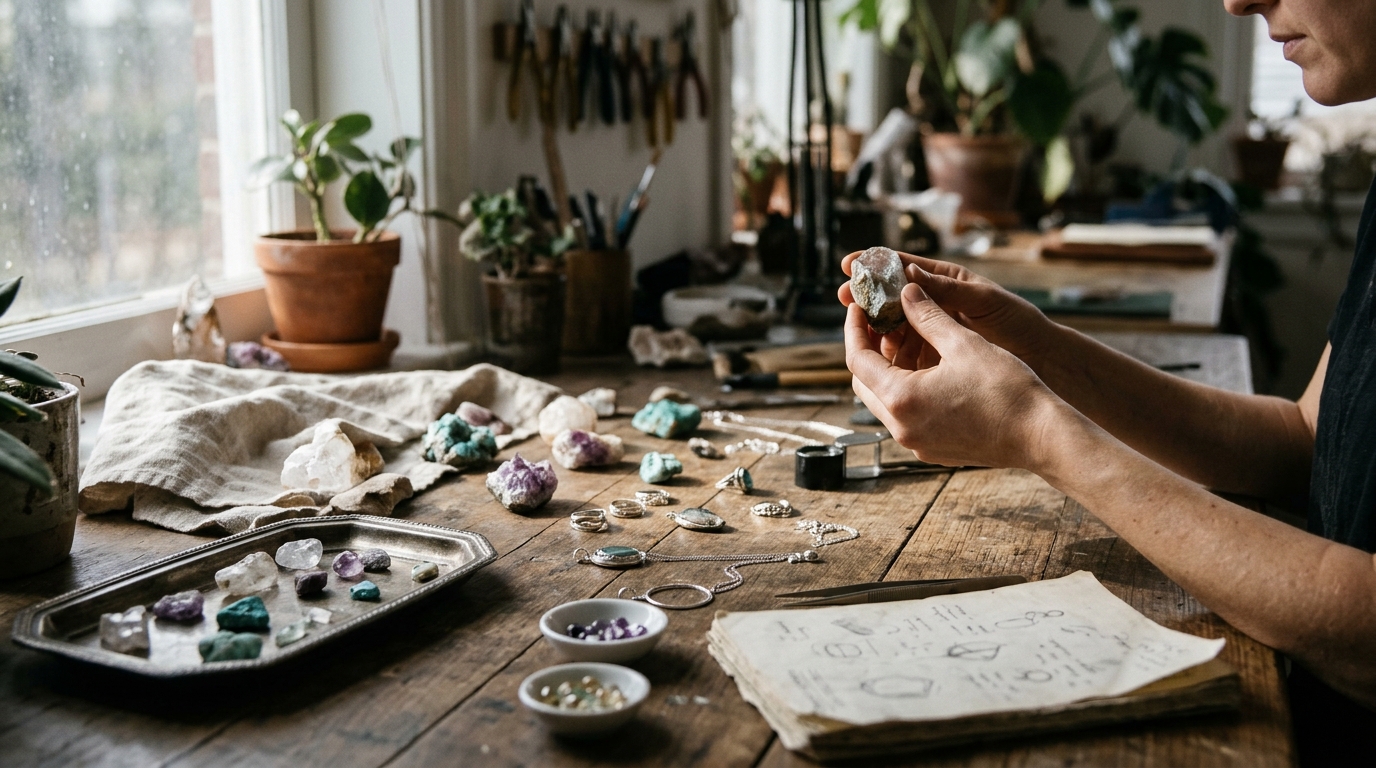
Before buying silver jewelry with natural stones in Bulgaria, you must verify the stone's authenticity, hardness, and care requirements. Understanding these differences ensures your investment lasts for years rather than months.
Understanding Stone Hardness and Durability
Hardness is the primary metric for determining how well a gemstone withstands daily wear. The Mohs scale measures mineral resistance to scratching, ranging from 1 (talc) to 10 (diamond). Sterling silver itself has a hardness of around 2.5 to 3, making it softer than most common gemstones. However, this does not mean the metal will not scratch; it means the stone is less likely to chip from minor impacts compared to softer minerals.
When selecting a stone for everyday rings or bracelets, prioritize materials with a Mohs hardness of 7 or higher. Sapphires and rubies, both varieties of corundum, score a 9 on the Mohs scale. This makes them exceptionally durable for active lifestyles. In contrast, opals and pearls score between 2 and 5, requiring careful handling to avoid cracking or surface damage. If you plan to wear the piece daily, choose harder stones to maintain their structural integrity.
Authenticity and Certification Standards
Natural gemstone authentication is a critical step in the purchasing process. A natural gemstone is a mineral formed by geological processes over millions of years, distinct from synthetic or lab-created versions. While lab-grown stones share the same chemical composition, they often lack the inclusions and imperfections that characterize natural formations. These inclusions can actually serve as a fingerprint for authenticity.
In Bulgaria, reputable jewelers provide certificates of authenticity for high-value stones. These documents verify the origin, treatment history, and natural status of the gem. For example, heat-treated sapphires are common and generally accepted, but the certificate must disclose this treatment. Always request documentation for stones priced above a certain threshold. This protects you from misrepresentation and ensures you are paying for the correct material quality.
Care and Maintenance for Natural Stones
Care requirements vary significantly depending on the specific mineral composition of the stone. Porous stones like opals and emeralds absorb liquids easily, which can lead to internal damage or discoloration. Avoid exposing these pieces to harsh chemicals, including household cleaners, chlorine, and perfumes. The chemical reaction can degrade the stone's surface or weaken any stabilizing treatments applied during processing.
For harder stones like diamonds or sapphires, regular cleaning is simpler but still necessary. Use a soft brush and mild soap to remove dirt and oils that accumulate in the setting. Ultrasonic cleaners are effective for many stones but can damage porous or fractured gems. Always check the specific care instructions provided by the jeweler. Proper maintenance preserves the brilliance and longevity of both the stone and the silver setting.
Choosing the Right Stone for Your Lifestyle
Key Takeaways
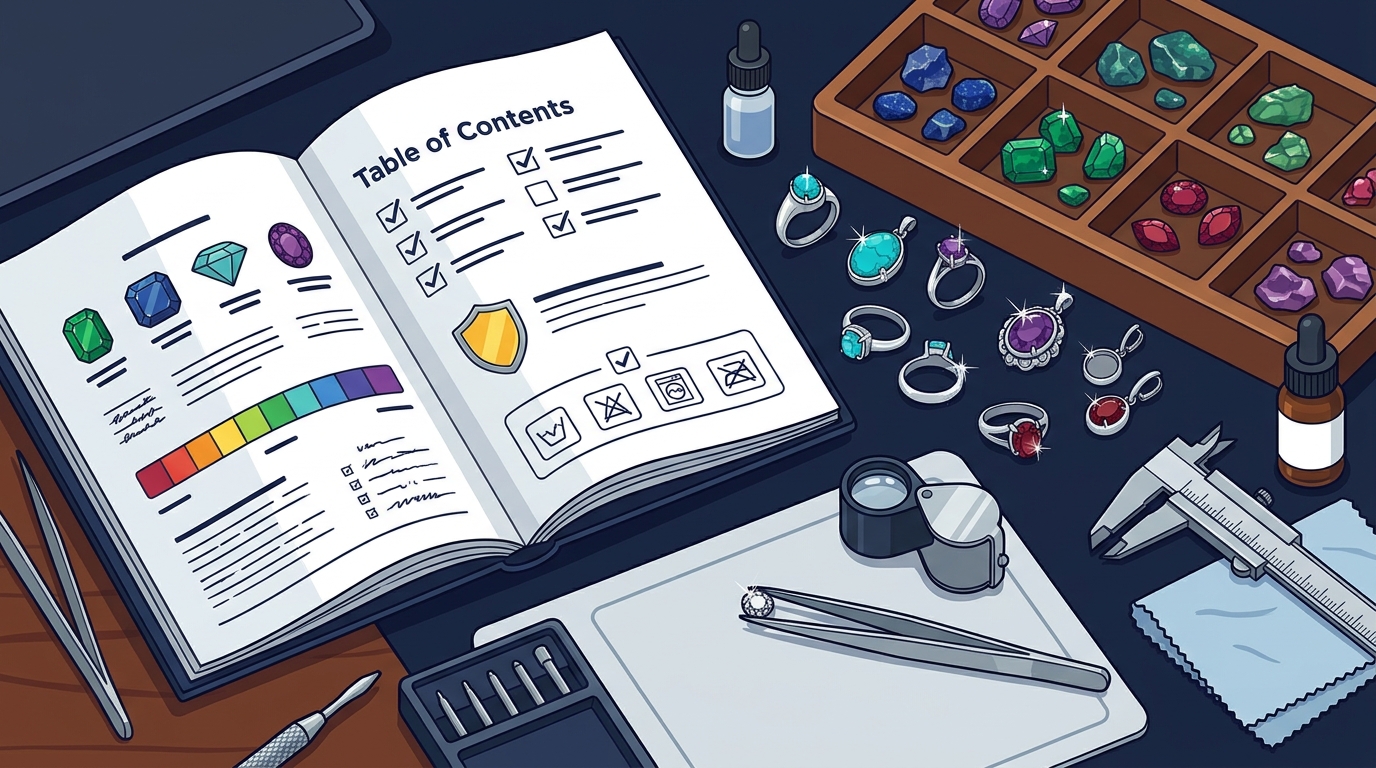
- Check the Mohs hardness scale to ensure the stone suits your daily wear needs.
- Request a certificate of authenticity to verify the natural origin of the gemstone.
- Avoid exposing porous stones like opals to chemicals and extreme temperature changes.
- Match the stone's durability to your lifestyle; harder stones are better for active use.
- Regular cleaning with mild soap and water maintains the brilliance of most natural gems.
- Be aware of common treatments like heat or dyeing, which should be disclosed in documentation.
Frequently Asked Questions
What is the difference between natural and lab-grown gemstones?
Natural gemstones are formed by geological processes over millions of years, while lab-grown stones are created in controlled laboratory environments. Natural stones often contain unique inclusions that serve as identifiers, whereas lab-grown stones are typically flawless. Both share the same chemical composition, but natural stones are generally rarer and often command higher prices due to their origin.
How do I clean silver jewelry with natural stones?
Use a soft cloth and mild soap to gently clean the surface. Avoid harsh chemicals or abrasive materials that can scratch the stone or tarnish the silver. For porous stones, avoid soaking them in water for extended periods. Dry the piece thoroughly after cleaning to prevent water spots or moisture damage.
Are natural gemstones more durable than synthetic ones?
Durability depends on the specific mineral type rather than its origin. A natural sapphire is just as hard as a lab-grown sapphire. However, natural stones may have inclusions that can affect structural integrity, while lab-grown stones are often more uniform. Always check the hardness and specific care requirements for the individual stone you are purchasing.
What should I look for in a gemstone certificate?
Can I wear natural stone jewelry in the shower?
It is generally not recommended to wear jewelry with natural stones in the shower. Hot water and steam can cause thermal shock, potentially cracking brittle stones. Additionally, soap and shampoo can leave a residue that dulls the stone's surface. Remove your jewelry before showering to preserve its condition and extend its lifespan. Learn more: ndash Sublime bg.